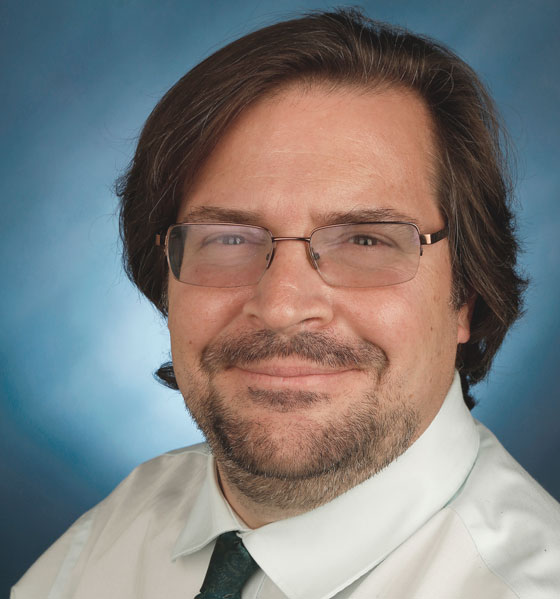
Biography
Dr. Richard E. Frye is a Child Neurologist with expertise in neurodevelopmental and neurometabolic disorders, and a national leader in autism research.
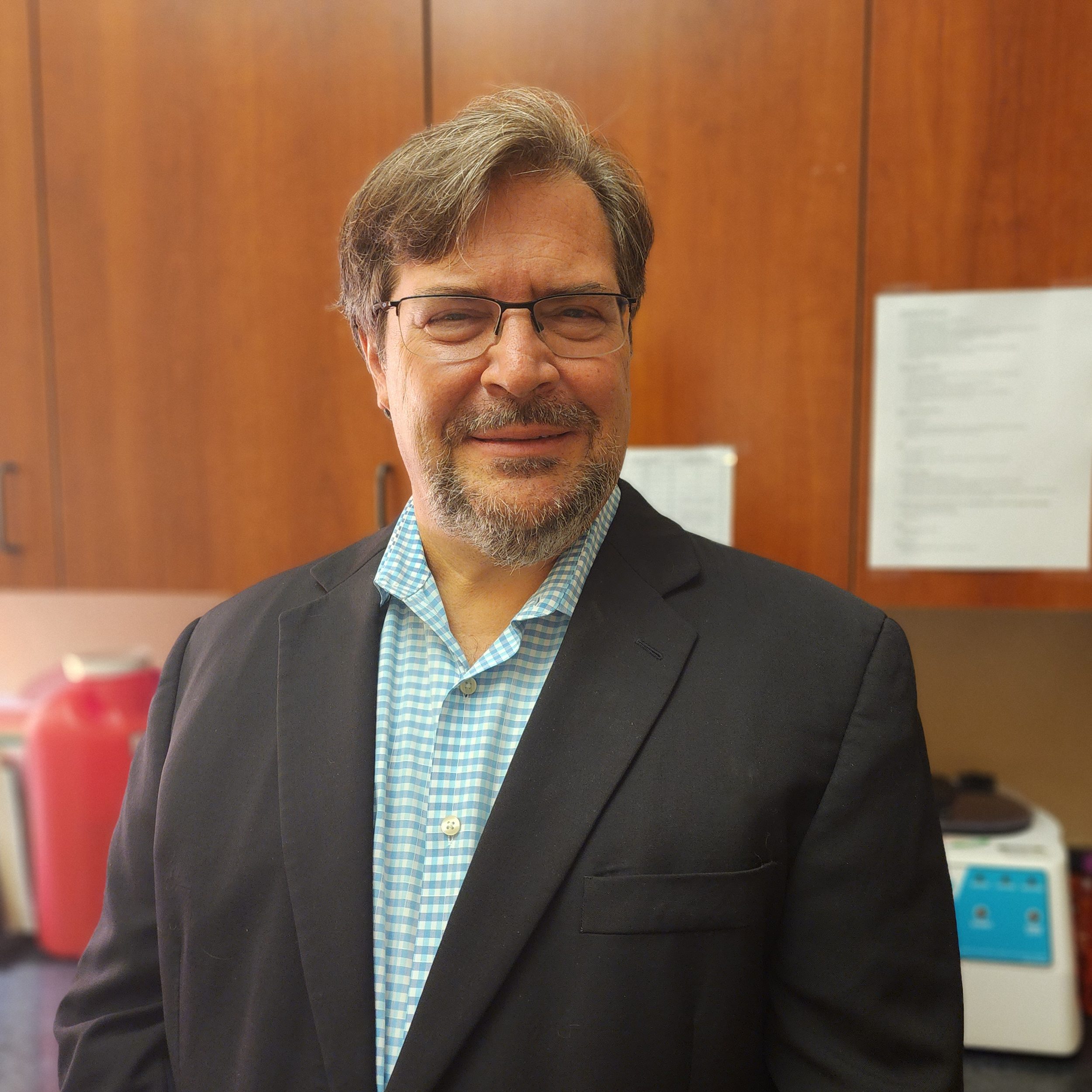
Biography
Dr. Richard Frye is a Child Neurologist with expertise in neurodevelopmental and neurometabolic disorders. He received an MD and PhD in Physiology and Biophysics from Georgetown University. He completed a residency in Pediatrics at the University of Miami, a Residency in Child Neurology and Fellowship in Behavioral Neurology and Learning Disabilities at Harvard University/Children’s Hospital Boston, and a Fellowship in Psychology at Boston University. He also received a Masters in Biomedical Science and Biostatistics from Drexel University. He holds board certifications in Pediatrics, and in Neurology with Special Competence in Child Neurology.
Dr. Frye is a national leader in autism research. He has authored over 300 peer-reviewed publications and book chapters, and serves on several editorial boards.
He has led several clinical studies on children with autism spectrum disorder (ASD), including studies focusing on defining the clinical, behavioral, cognitive, genetic and metabolic characteristics of children with ASD and mitochondrial disease, and several clinical trials demonstrating the efficacy of safe and novel treatments that target underlying physiological abnormalities in children with ASD — including open-label studies on tetrahydrobiopterin, cobalamin and folinic acid, and a recent double-blind placebo-controlled trial on folinic acid. His ongoing research efforts focus on defining metabolic endophenotypes of children with ASD and developing targeted treatments.
In 2022, Dr. Frye became the co-founder of The Autism Discovery and Treatment Foundation, a 501c non-profit organization dedicated to researching biomarkers and treatments for complicated neurodevelopmental disorders.
He currently sees American patients at Rossignol Medical Center and many international patients at Neurodevelopmental Precision Medicine.
“I want to offer hope to families raising children who have challenging neurodevelopmental disorders. I believe there is so much more we could do to improve the lives of children with autism and their families. We have hope that one day in the not so distant future our dedication to research will lead to discovery of the causes of autism, better ways to treat children with autism, and eventually ways to prevent autism.”— Dr. Richard E. Frye, MD, PhD
Career & Training
Education and Medical Career
Neurodevelopmental Precision Medicine
Behavioral Child NeurologistDr. Frye founds Neurodevelopmental Precision Medicine, a clinic specializing in precision personalized care of children with autism and other neurodevelopmental disorders, and The Autism Discovery and Treatment Foundation, a 501c3 non-profit organization dedicated to researching biomarkers of and treatments for autism.
Phoenix Children’s Hospital
DirectorDr. Frye served as Chief of the Section on Neurodevelopmental Disorders and the Director of the Autism and Fragile X programs at Phoenix Children’s Hospital, as well as a Professor of Child Health and Director of the Neurodevelopmental and Mitochondrial Disorders Research Laboratory at the University of Arizona College of Medicine Phoenix.
Arkansas Children’s Hospital
DirectorDr. Frye served as Director of the Autism Multispecialty and Neuroimmune Clinics and Co-director of the Neurometabolic Clinic at Arkansas Children’s Hospital, as well as Director of the Autism Research program at Arkansas Children’s Research Institute and Associate Professor in the Department of Pediatrics at the University of Arkansas for Medical Sciences.
University of Texas Health Science Center at Houston
Dr. Frye served as the Director of the Medically-Based Autism Clinic and Laboratory for the Biological Basis of Neurodevelopmental Disorders, as well as Assistant Professor in the Department of Pediatrics, The Children’s Learning Institute, and Department of Neurology.
University of Florida
Dr. Frye served as Co-Medical Director of the Multidisciplinary Diagnostic and Training Program and Co-Director of the University of Florida School Problems Clinic, as well as Assistant Professor in the Department of Pediatrics and Neurology.
Boston University
Fellowship in PsychologyDr. Frye was a Fellow in psychology in the Department of Psychology from 2004–2005 at Boston University.
Boston Children’s Hospital, Harvard University
Behavioral Neurology & Learning Disabilities FellowshipDr. Frye was a Behavioral Neurology and Learning Disabilities Fellow from 2003–2005 at Boston Children’s Hospital, Harvard University.
Boston Children’s Hospital, Harvard University
Residency in Neurology with Special Competence in Child NeurologyDr. Frye completed his child neurology residency at Boston Children’s Hospital in Boston, MA.
Jackson Memorial Hospital, University of Miami
Residency in PediatricsDr. Frye completed his residency in Pediatrics at Jackson Memorial Hospital in Miami, FL.
Georgetown University
Doctor of Philosophy (PhD) & Doctor of Medicine (MD)In 1998 Dr. Frye completed his studies at Georgetown University, receiving his PhD in Physiology and Biophysics as well as his MD.
Drexel University
Master of Science (MS)Dr. Frye received his Master of Science in Biomedical Science and Biostatistics from Drexel University in Philadelphia, PA.
Long Island University
Bachelor of Arts (BA)Dr. Frye received a Bachelor of Arts in Psychobiology and Computer Science.
Ready to take the next step?
Whether you’re a parent seeking care for your child or a clinician interested in collaboration, Dr. Frye’s office is here to help.